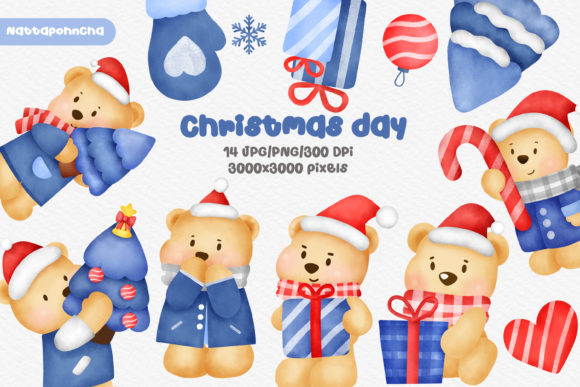
Reviewing Christmas Tree Watercolor Clip Art for Stitching
As a designer who spends more time staring at stitch simulations than most people care to admit, I approach every new Christmas Tree Watercolor Clip Art file with a mix of excitement and skepticism. We all know the drill: a design looks breathtaking on a screen, but the moment it hits the hoop, reality sets in. Today, I am breaking down this specific illustration asset not just as a pretty picture, but as a functional component for real-world embroidery projects. Whether you are an Etsy seller looking to expand your holiday catalog or a hobbyist making personalized gifts, understanding how watercolor aesthetics translate into thread is crucial for your success.
The Visual Personality and First Impressions
When I first loaded the Christmas Tree Watercolor Clip Art into my digitizing software to inspect the layout, the immediate impression was one of softness and whimsy. Unlike traditional vector art with hard, crisp lines, this piece relies on blended edges and organic shapes that mimic the flow of wet paint on paper. For an embroidery project, this presents a unique challenge and opportunity. The mood is undeniably festive yet understated, perfect for boutique branding where subtlety sells better than loud graphics.
The shape of the tree is classic but stylized, avoiding rigid symmetry which helps it feel handmade. However, the lack of defined borders means that when converting this into a machine embroidery design, the transition between color blocks needs careful handling. If you are using this as a reference for manual digitizing, you will need to decide whether to embrace the "bleed" effect with varied stitch density or simplify it for cleaner execution. As an Illustrations category item, it shines in its artistic intent, but the embroiderer must bridge the gap between pixel and thread.
Real-World Application: The Holiday Tote Scenario
To truly test the viability of this design, I imagined a specific client request: a set of custom canvas tote bags for a local bakery's holiday packaging. This is a common scenario for small shop products where durability meets aesthetics. The Christmas Tree Watercolor Clip Art fits this application beautifully because the watercolor style complements the natural texture of canvas without looking overly industrial.
In this tote bag design context, the soft edges of the tree prevent the embroidery from looking like a stiff plastic patch. Instead, it feels integrated into the fabric. For a sweatshirt embroidery project, this same logic applies. The fluidity of the design works well on fleece or French terry, where heavy, dense stitching might make the garment uncomfortable. By using this clip art as a base, you can create a finished product that feels premium and thoughtful, increasing the perceived value for the end customer.
Navigating Fabric and Hoop Constraints
While the design is versatile, there are specific situations where you must proceed with caution. Watercolor effects often rely on subtle gradations that can get lost if the hoop size is too small. If you attempt to shrink this Christmas Tree Watercolor Clip Art for a pocket logo on a cap or a tiny detail on a baby onesie, the delicate nuances may merge into a muddy blob of thread. Always check the minimum recommended size before committing to a baby embroidery project.
Furthermore, fabric choice plays a massive role. On dark fabrics, the lighter tones inherent in watercolor styles require excellent coverage. You may need to adjust your thread colors or add an underlay strategy that isn't immediately obvious in the source image. Textured fabrics like waffle weave or heavy linen can also interfere with the smooth gradients this design attempts to portray. In these cases, a simpler satin stitch outline or a modified fill stitch approach might be necessary to maintain clarity. Always test on scrap fabric that matches your final material to avoid costly mistakes.
Enhancing Brand Value and Customer Trust
For craft business owners, the choice of design assets directly impacts brand perception. Using a high-quality, cohesive asset like Christmas Tree Watercolor Clip Art signals professionalism. It tells your customers that you care about the artistic integrity of your handmade product. When a customer receives a personalized gift featuring a design that looks intentional and well-executed, it builds trust and encourages repeat business.
This design is particularly effective for creating printable mockup materials for your online store. Because the original file is an illustration, it scales well for digital marketing before you even stitch a single thread. This allows digital product sellers and apparel decorators to preview how the holiday embroidery will look on various items, from aprons to pillow covers, ensuring consistency across their design assets.
Practical Notes for the Embroiderer
Before you start stitching, here are a few technical considerations to keep in mind:
- Stabilizer Selection: Given the likely varied density of a watercolor-style fill, choose a stabilizer that prevents puckering without adding unnecessary bulk. Cut-away stabilizers are often safer for garments that will be washed frequently.
- Thread Contrast: Review the color palette carefully. Watercolor designs often use many similar shades. Ensure your thread colors have enough contrast to distinguish the layers of the tree, or the design will look flat.
- Licensing Verification: Always confirm the license terms associated with the Christmas Tree Watercolor Clip Art. Just because you can buy it doesn't always mean you can sell finished goods commercially. Check if it covers commercial embroidery usage.
- Detail Inspection: Zoom in on the digital embroidery file (if pre-digitized) or your digitized version. Look for tiny isolated stitches or extremely short runs that might cause thread breaks.
- Mockup Testing: Create a black-and-white version of the design to check value contrast. If it doesn't read well in grayscale, it might lack definition when stitched.
Ultimately, Christmas Tree Watercolor Clip Art is a strong contender for the upcoming season, provided it is treated with the respect a nuanced illustration deserves. It is not a "drop-in-and-go" solution for every machine and fabric combination, but for the discerning creator willing to tweak settings and choose materials wisely, it offers a pathway to creating stunning, marketable custom apparel and decor. Whether you are making an embroidered patch for a jacket or a centerpiece for a holiday table runner, this design has the potential to elevate your work from simple crafting to professional artistry.