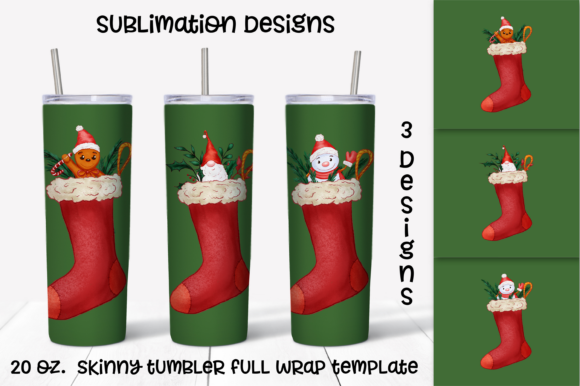
Review: Christmas Socks Sublimation Design for Holiday Embroidery
As a designer who spends more time at the hoop than away from it, I approach every new machine embroidery design with a mix of excitement and skepticism. We've all been there: a file looks stunning on the screen in a crisp digital preview, but the moment the needle hits the fabric, the reality can be quite different. Today, I'm taking a close look at the Christmas Socks Sublimation Design. While the title suggests a sublimation workflow, my focus is strictly on how this illustration translates into a tangible embroidery project for real-world applications like custom apparel, boutique gifts, and small shop merchandise.
First Impressions: Mood and Visual Personality
The first thing that strikes me about this Illustrations piece is its nostalgic charm. It captures that cozy, vintage holiday feeling without relying on overused, clip-art style graphics. The layout feels balanced, with a visual personality that screams "handmade warmth." When I visualize this stitched out, I see it working beautifully as a focal point rather than just a background element. The lines appear clean enough to translate well into satin stitch borders or detailed running stitch outlines, which is crucial for maintaining clarity once the thread takes over.
For those of us running a craft business, the mood of a design dictates its marketability. This specific asset feels right for high-end boutique items where customers are willing to pay a premium for uniqueness. It's not just a generic snowflake; it has character. Whether you are an Etsy seller looking to refresh your holiday catalog or a hobbyist making gifts for family, the aesthetic suggests quality before the customer even touches the finished product.
Real-World Application: From Screen to Stitch
Let's get practical. Imagine you are preparing a batch of custom sweatshirt embroidery orders for a local boutique. You need something that pops against heather grey or deep navy fleece. This design fits that scenario perfectly. Because it is categorized under Illustrations, it likely possesses the kind of artistic flow that looks exceptional when scaled up for a back-of-shirt placement or centered on a tote bag design.
I also see strong potential for baby embroidery. The soft, whimsical nature of Christmas socks imagery often resonates well with nursery decor. Picture this stitched onto a muslin blanket or a personalized onesie. However, this is where the designer's eye must be sharp. Just because a image looks good as a printable mockup doesn't mean it will stitch out perfectly on stretchy knits. The transition from a sublimation-ready graphic to an embroidery file requires careful consideration of how the stitches will interact with the fabric texture.
For commercial embroidery projects, versatility is key. This design could easily be adapted into an embroided patch for holiday uniforms or limited-edition merchandise. The ability to frame this illustration within a merrowed edge or a simple satin border adds significant value to the final item, turning a standard garment into a collectible small shop product.
Technical Considerations and Fabric Challenges
Here is where we need to have an honest conversation about limitations. If you are planning to use this design on textured fabrics like waffle weave kitchen towels or thick terry cloth aprons, you must evaluate the stitch density. Detailed illustrations can sometimes get lost or become muddy if the stitch count is too high for the fabric pile. Similarly, if you are working with thin fabric, high-density fill areas might cause puckering, ruining the professional look you are aiming for.
Curved surfaces present another challenge. If you intend to place this on a cap or a structured hat, the flat nature of an illustration might distort near the seams. Always test your hoop size constraints; trying to force a large, detailed scene into a small 4x4 hoop can result in lost details, especially in the tiny corners of the sock patterns or any miniature lettering that might accompany the graphic.
Dark fabrics require special attention regarding thread colors. A design that relies on subtle shading in a digital format might need adjusted color stops in the embroidery software to ensure contrast remains visible against black or charcoal backgrounds. Don't assume the default color map will work; manual adjustment is often necessary to maintain the design's integrity.
Enhancing Brand Value and Customer Trust
In the world of handmade goods, presentation is everything. Using a well-chosen design like the Christmas Socks Sublimation Design elevates your brand consistency. When a customer receives a personalized gift that features crisp, clear stitching and a cohesive theme, it builds trust. They aren't just buying a product; they are buying the assurance of quality that comes from a thoughtful designer.
This level of detail affects buyer engagement significantly. In a crowded marketplace, items that look professionally digitized and carefully executed stand out. Whether you are selling holiday embroidery items at a craft fair or listing them online, the visual appeal of the stitched design serves as a silent salesperson. It tells the buyer that care was taken in every step of the process, from selecting the stabilizer to choosing the perfect thread match.
Practical Notes for the Working Designer
Before you commit this design to a client's expensive garment, here is my checklist for ensuring success:
- Test on Scrap First: Never skip this step. Stitch the design on the exact same fabric and stabilizer combination you plan to use for the final product.
- Check Contrast: View your test stitch-out in black and white. If the details disappear in grayscale, your thread color contrast is insufficient.
- Review Density: Look for areas where the fabric might pucker. If the fill stitch areas are too dense, consider editing the file to reduce stitch count.
- Verify Hoop Compatibility: Ensure the design fits comfortably within your available hoop sizes without needing excessive re-hooping, which can lead to alignment issues.
- Inspect Small Details: Zoom in on the finished test. Are the tiny elements of the illustration clear, or do they look like blobs of thread?
- Mockup Verification: Compare how the design looks on both light and dark fabric backgrounds to anticipate customer requests.
- Licensing Check: Since this is marketed as a sublimation design, confirm the license terms before using it for commercial embroidery. Ensure you have the rights to sell finished physical goods or digital adaptations.
Ultimately, the Christmas Socks Sublimation Design offers a fantastic foundation for creative entrepreneurs. With the right technical adjustments and a keen eye for detail, it can transform simple blanks into cherished heirlooms. Remember, the difference between a good product and a great one often lies in the preparation. Take the time to understand how this illustration behaves under the needle, and you will deliver a finished product that exceeds expectations.