Merry Christmas Illustration Greeting: Premium Holiday Illustrations
As a digital publisher who has spent years refining the visual identity of multiple content websites, I approach every new graphic design asset with a critical eye. It is not enough for an image to be pretty; it must perform. When I first opened the files for Merry Christmas Illustration Greeting, my immediate thought was about its potential to elevate seasonal content from generic to memorable. In the crowded landscape of holiday blogging, where every niche site is vying for attention on Pinterest and Google Discover, the quality of your visuals dictates your click-through rate. This collection of Illustrations strikes a delicate balance between festive warmth and editorial sophistication, making it a viable tool for serious content creators.
Setting the Editorial Mood for Seasonal Content
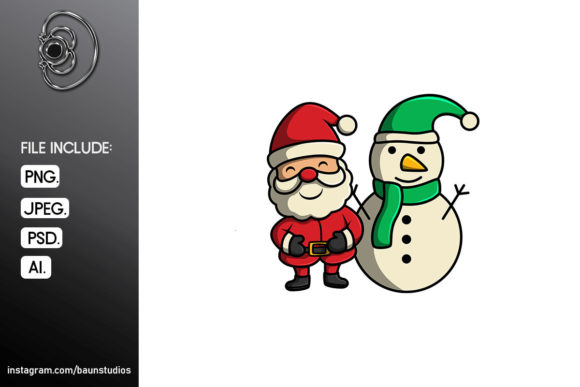
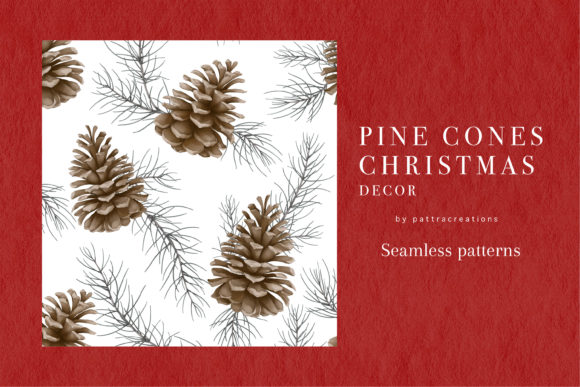
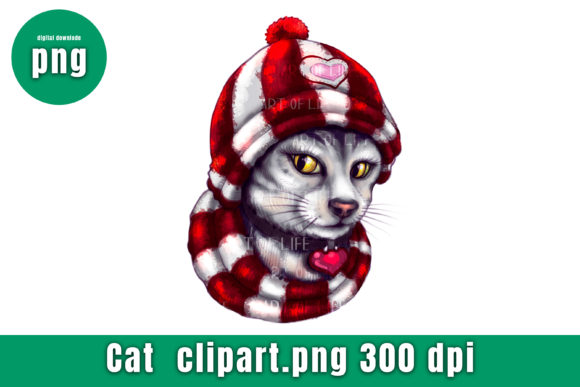
The first impression of Merry Christmas Illustration Greeting is one of curated charm. Unlike the clip-art style graphics that often plague free stock sites, these assets feel hand-crafted and intentional. They create an editorial mood that is simultaneously playful and polished. For lifestyle bloggers, this translates to a sense of cozy authenticity that readers trust. For affiliate marketers promoting holiday gifts or decor, the aesthetic suggests quality and care, which subconsciously transfers to the products being reviewed.
The style leans heavily into a modern yet timeless look. It avoids overly trendy filters that will date your content by next January, opting instead for clean lines and a color palette that feels rich without being overwhelming. This makes the asset incredibly versatile. Whether you are running a food blog featuring cookie recipes, a parenting site discussing holiday traditions, or a business coach offering year-end planning guides, these Illustrations adapt seamlessly. They do not scream "discount bin"; they whisper "premium experience," which is exactly the brand identity most small business owners are trying to cultivate during the high-stakes Q4 season.
Integrating Assets into a Real Publishing Workflow
In my own workflow, the utility of a design asset is measured by how many different containers it can fill. Merry Christmas Illustration Greeting excels here because it is modular. I can immediately envision using these graphics as blog graphics for featured images, where they serve as the primary hook for organic traffic. Because the composition allows for negative space, they are perfect for overlaying bold headlines without sacrificing readability—a crucial factor for visual hierarchy.
Beyond the blog post itself, these assets are gold for social media strategies. Imagine creating a series of Pinterest pin designs where the illustration serves as the background texture or the focal point beside a compelling call-to-action. The vertical orientation of many elements in this set seems tailor-made for mobile-first platforms. Furthermore, for newsletter creators, these graphics can transform a standard text-heavy email into a visually engaging holiday edition. Placing one of these illustrations in the header of a weekly digest instantly signals to subscribers that special seasonal content is inside, increasing open rates.
For those selling digital product offerings, such as planners or eBooks, these Illustrations can be used to design attractive covers or interior dividers. If you are building a Canva template kit for other creators to sell, incorporating licensed elements like these adds significant value to your package. They also work beautifully as accents in a digital guide or as part of a lead magnet cover page, ensuring that your freebie looks as professional as your paid courses.
Driving Performance Through Visual Consistency
Why does the choice of a specific graphic matter for metrics? Because consistency builds trust. When a reader clicks from a social media ad to your landing page, and the visual language remains consistent, friction is reduced. Merry Christmas Illustration Greeting supports this by providing a cohesive look that can be applied across your website header, category thumbnails, and social media graphics. This repetition reinforces your brand identity, making your site feel more established and authoritative.
Stronger first impressions lead to lower bounce rates. If your article thumbnail looks amateurish, users assume the content is too. By utilizing high-quality design assets, you signal that the information within is equally well-researched and valuable. This is particularly important for affiliate marketing, where trust is the currency of conversion. A polished visual presentation suggests that you have invested in your platform, which encourages users to invest their time and money in your recommendations.
Strategic Placement and Usage Constraints
While these assets are powerful, they must be deployed strategically. They work best as hero images, article thumbnails, and editorial accents where they have room to breathe. They are ideal for content upgrades and downloadable resources where the visual appeal adds perceived value. However, caution is required when using them in small mobile thumbnails. Intricate details in an illustration can become muddy when scaled down to a favicon size or a tiny sidebar widget. Always preview your web design choices on actual devices before publishing.
Additionally, be mindful of text-heavy layouts. If your blog post already contains complex data tables or dense paragraphs, adding a busy illustration might create visual clutter. In serious professional niches, such as legal advice or medical news, ensure the playful nature of a Christmas greeting does not undermine the gravity of the subject matter. For corporate content or websites adhering to a strict minimal visual system, these graphics should be used sparingly, perhaps only in dedicated holiday sections rather than global navigation elements.
Practical Notes for Publishers and Designers
Before integrating Merry Christmas Illustration Greeting into your live site, run through a quick quality assurance checklist. Test the images on both desktop and mobile screens to ensure they load quickly and retain clarity. Check how the colors look as a thumbnail in dark mode versus light mode. Preview the graphic inside your actual blog layout to see how it interacts with your theme's CSS.
- Typography Pairing: Experiment with placing the illustration beside various font styles. Try it with a classic serif for an elegant feel, a clean sans serif for modernity, or a handwritten script for a personal touch. Ensure the font weight provides enough contrast against the illustration.
- Performance Optimization: Review the file size. Even beautiful Illustrations can slow down your site if they are not compressed properly. Use tools to optimize them for web performance without losing quality.
- Licensing Verification: Always confirm the commercial license terms. If you are using this on monetized websites, affiliate pages, or in paid content products, you must ensure you have the right to use the asset commercially. Buying from a reputable creative marketplace usually guarantees this, but double-check the specific usage rights for digital download items.
- Accessibility: Check the contrast ratios if you place text over the image. Ensure that your editorial design remains accessible to all users, including those with visual impairments.
In conclusion, Merry Christmas Illustration Greeting is more than just a seasonal decoration; it is a strategic tool for content marketing. When used with intention, it enhances the user experience, strengthens brand perception, and drives engagement. For the modern publisher looking to stand out in the holiday noise, investing in high-quality creative design elements like these is a smart move that pays dividends in reader loyalty and site aesthetics.