Little Christmas Bears: Festive Illustrations for Sellers
As we approach the fourth quarter, the rush to finalize holiday inventory begins in earnest. For those of us running digital shops on Etsy, Creative Fabrica, or managing print-on-demand stores, the difference between a bestseller and a dormant listing often comes down to the quality and versatility of our core graphic design assets. Recently, I have been evaluating a new collection titled Little Christmas Bears to determine its viability for my upcoming seasonal product launch. This review breaks down the practical application of these Illustrations from the perspective of a creator looking to maximize return on investment while minimizing production risks.
First Impressions and Market Fit
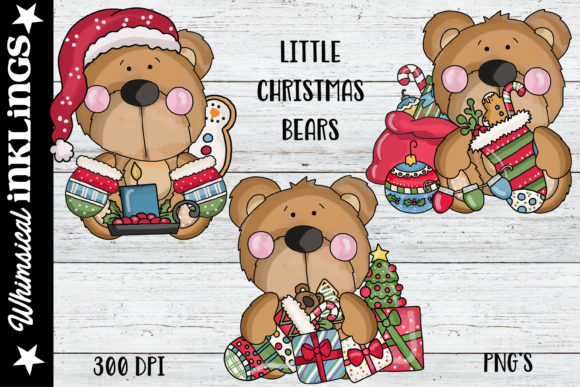
Upon opening the file folder, the immediate impression of Little Christmas Bears is one of warmth and approachability. The visual personality leans heavily into the "cozy cottage" aesthetic that has dominated social media trends for the past few years. These are not overly complex, hyper-realistic renders; rather, they possess a hand-drawn charm that feels authentic and handmade. This specific style is crucial because it appeals directly to the demographic most likely to purchase holiday goods: parents looking for nursery decor, crafters seeking unique Cricut projects, and small business owners wanting to add a personal touch to their branding.
The mood is undeniably festive but restrained. It avoids the chaotic neon brightness of some commercial holiday graphics, opting instead for softer palettes that suggest elegance and tradition. This makes the asset highly versatile. It feels premium enough for high-end greeting cards yet playful enough for children's apparel. When considering commercial design opportunities, this balance is vital. A design that is too childish limits your market to kids' products, while something too formal alienates the DIY crowd. Little Christmas Bears sits comfortably in the middle, offering broad appeal across various niches.
Real-World Product Applications
To truly test the value of a digital product, one must look beyond the preview images and imagine it applied to tangible goods. I envision using these bear illustrations across a wide spectrum of sellable items. For the print-on-demand sector, these graphics are ideal for sublimation designs on mugs and tumblers. The clear lines and distinct shapes ensure that when printed on curved surfaces, the image remains recognizable and crisp.
For the paper goods market, the potential is equally strong. These illustrations serve as excellent foundations for printable design files such as planner stickers, gift tags, and scrapbooking kits. Because the characters are distinct, they work beautifully as individual elements in a larger collage or as standalone focal points on greeting cards. If you are a Canva template seller, incorporating these bears into invitation templates or social media graphics can instantly elevate a generic layout into a themed, seasonal offering.
Furthermore, for those utilizing cutting machines, the utility of these files as a SVG design cannot be overstated. They are perfect for creating iron-on transfers for t-shirt designs or decals for tote bags. The simplicity of the bear shapes suggests that they would weed easily and cut cleanly on both Cricut and Silhouette machines, a critical factor for customers who purchase clipart bundles for physical crafting.
Enhancing Product Presentation and Branding
In the crowded marketplace of digital downloads, presentation is everything. Your product mockup images are the only interaction a customer has with your item before purchasing. Little Christmas Bears excels here because the characters have strong visual hierarchy. When placed on a thumbnail, they draw the eye immediately without needing excessive text overlays. This improves click-through rates on platforms like Etsy where users scroll quickly.
Using these illustrations consistently across a seasonal collection helps build brand identity. If you release a bundle containing wall art, stickers, and planner inserts all featuring the same bear motif, you create a cohesive story that encourages larger basket sizes. Customers appreciate the ability to match their decor or gifts, and providing a unified theme through a design bundle increases the perceived value of your shop. Additionally, the friendly nature of the bears fosters customer trust; the imagery feels safe, family-friendly, and high-quality, which reduces hesitation at checkout.
Strategic Placement and Limitations
While Little Christmas Bears is a robust asset, it is not a one-size-fits-all solution for every project. It works best in large product previews, themed bundles, and decorative layouts where the character can breathe. It shines in digital download packs intended for nursery prints or merchandise graphics where the illustration is the hero of the design.
However, caution is required when scaling these images down. Due to the charming, slightly detailed nature of the fur and accessories, using them for tiny sticker details might result in a loss of definition, especially if the final print size is under an inch. They should also be used carefully on dark backgrounds unless the file format includes a high-quality white outline or glow effect; otherwise, the darker tones of the illustration may get lost. Furthermore, avoid placing these bears in overly complex layouts or text-heavy templates. Their strength lies in their character, and crowding them with busy patterns or dense typography will diminish their impact. For Cricut projects requiring intricate internal cuts, always inspect the SVG design nodes first to ensure the cutting path is smooth and not overly fragmented.
Practical Notes for the Digital Seller
Before listing any product featuring Little Christmas Bears, rigorous testing is non-negotiable. Always test the design on real mockups rather than relying solely on digital composites. Preview how the image looks as a marketplace thumbnail on both mobile and desktop views to ensure clarity. It is essential to check the artwork on both white and dark backgrounds to verify contrast and visibility.
If you are selling physical goods via print-on-demand services, order a sample to test print colors. Digital screens often display colors more vibrantly than ink on fabric or ceramic. Verify the PNG design transparency to ensure there are no unwanted white halos around the edges of the bears. For those selling cut files, inspect the SVG cut quality to confirm that the paths are closed and optimized for weeding.
File organization is another key element of professionalism. When delivering these assets to customers in a design bundle, organize the folders clearly by format and color variation. Pair these illustrations with appropriate typography; a soft script font or a rounded sans serif font often complements the cute aesthetic of the bears better than a harsh display font. Finally, and most importantly, confirm the commercial license terms. Ensure you understand the limits of usage regarding print runs and whether attribution is required before selling finished products.
In conclusion, Little Christmas Bears represents a solid investment for creators looking to expand their holiday inventory. With its versatile style, strong market fit, and adaptability across various mediums from sublimation design to packaging design, it offers a reliable foundation for a successful seasonal collection. By approaching its use with strategic planning and careful quality control, sellers can leverage these Illustrations to create a professional, appealing, and profitable range of products.