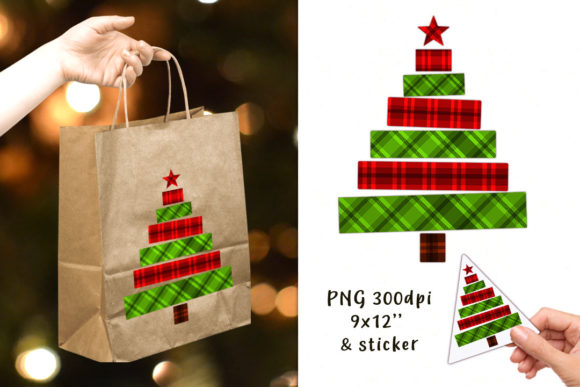
Decorative Christmas Tree in a Cage: Illustrations Review
As a digital publisher who has spent years curating visual assets for high-traffic blogs and editorial platforms, I approach every new graphic design asset with a critical eye. It is not enough for an image to be pretty; it must perform. It needs to stop the scroll, communicate a mood instantly, and integrate seamlessly into a complex web design ecosystem. My latest review focuses on the Decorative Christmas Tree in a Cage, a unique piece within the broader category of Illustrations that offers a surprising amount of versatility for seasonal content strategies.
Upon first inspection, this asset creates a distinct editorial mood. It is not your standard, cheerful holiday clipart. Instead, it leans towards the artistic, slightly whimsical, and undeniably decorative. The concept of a tree enclosed in a cage suggests themes of protection, containment, or perhaps a modern, urban take on nature during the holidays. For bloggers and content creators, this nuance is gold. It supports niches that are lifestyle-focused yet intellectually curious, appealing to readers who appreciate modern design over generic festivity. Whether you are running a home decor blog, a psychological wellness site, or an artistic portfolio, this image sets a tone that is both seasonal and sophisticated.
Integrating the Asset into Your Publishing Workflow
In a real-world publishing scenario, the utility of the Decorative Christmas Tree in a Cage extends far beyond a simple blog post header. Imagine you are preparing your content calendar for December. You need a cohesive visual identity across multiple touchpoints. This digital download can serve as the cornerstone for your blog graphics. Because the illustration likely possesses strong lines and clear negative space, it works exceptionally well as a featured image where headline text can be overlaid without losing readability.
For those of us heavily invested in content marketing via Pinterest, this asset is a potential game-changer. Pinterest favors vertical imagery with bold focal points. The unique silhouette of a caged tree provides an immediate visual hook that stands out against the sea of traditional green trees and red ornaments. You can easily drop this into a Canva template to create a series of pins promoting your holiday guides, gift lists, or year-end reflections. Furthermore, it serves as an excellent website header background, provided you apply a subtle opacity overlay to ensure your navigation menu remains legible.
Beyond the public-facing website, consider its application in your private monetization channels. If you are an online educator or an affiliate marketer, this illustration can elevate your digital guide covers or eBook interiors. It adds a layer of professional polish to printable design resources, such as holiday planners or reflection worksheets. Using a consistent visual theme across your free lead magnet and your paid products strengthens your brand identity, making your offerings feel like part of a premium suite rather than disjointed files.
Enhancing Visual Hierarchy and Reader Trust
The primary goal of any editorial design is to guide the reader's eye and establish trust. High-quality design assets signal to your audience that you value their experience. When a reader lands on a page featuring the Decorative Christmas Tree in a Cage, the uniqueness of the image suggests that the content beneath it is equally thoughtful and curated. This perception directly impacts click-through rates and time-on-page metrics.
This asset supports a stronger visual hierarchy because it breaks the pattern of expected holiday imagery. In a grid layout of blog thumbnails, consistency is key, but so is differentiation. Using this illustration for specific category pages—perhaps those dealing with "Holiday Minimalism" or "Urban Living"—creates better category recognition. Readers begin to associate this specific artistic style with your most insightful articles. Additionally, for affiliate marketing posts, where trust is paramount, avoiding cheesy stock photos in favor of distinctive creative design can subtly increase the perceived authority of your recommendations.
Strategic Placement and Performance Considerations
To maximize the impact of this commercial design element, placement is everything. It shines brightest as a hero image on desktop views, where the intricate details of the "cage" element can be appreciated. It also performs well as a social media preview image when shared on platforms like Facebook or LinkedIn, offering a break from the usual corporate holiday cheer. For newsletter creators, this illustration makes for a striking header graphic that can set the tone for your entire December campaign.
However, caution is required. While the concept is strong, it may not suit every context. In very serious professional niches, such as corporate finance or medical advice, the whimsical or metaphorical nature of a caged tree might be distracting or misinterpreted. Similarly, avoid using it on low-contrast backgrounds where the lines of the illustration might get lost. If your website relies on a strictly minimal visual system with no ornamentation, this asset might feel too busy unless significantly scaled down or stylized.
Mobile optimization is another critical factor. On small mobile thumbnails, fine details in Illustrations can become muddy. Before committing to this asset for your main navigation icons or tiny sidebar widgets, test it rigorously on various devices. Ensure that the "cage" element does not look like a mistake or a glitch when viewed at 150 pixels wide. Always preview the image inside your actual blog layout, not just in isolation.
Practical Notes for Publishers and Designers
Before integrating the Decorative Christmas Tree in a Cage into your live environment, run through this practical checklist to ensure optimal performance:
- Test across devices: Verify how the image renders on both retina desktop screens and standard mobile displays.
- Check thumbnail clarity: Ensure the core concept remains visible when cropped to a square or vertical pin format.
- Typography pairing: Experiment placing the image beside serif fonts for an editorial look, sans serif for modernity, or script fonts for a festive touch.
- Contrast analysis: If overlaying text, use color pickers to ensure your headline passes accessibility standards against the illustration.
- File optimization: Review the file size. For web performance, compress images properly without sacrificing the crispness of the line work.
- Licensing verification: Confirm you have the appropriate commercial license if using this on monetized websites, in paid digital products, or for client work.
- Monochrome testing: Try converting the image to black and white to see if it retains its impact for grayscale printables or minimalist themes.
Ultimately, the Decorative Christmas Tree in a Cage is more than just a seasonal decoration; it is a strategic tool for small business branding and creative marketplace success. By understanding its editorial weight and applying it with intention, you can transform your holiday content from generic to memorable. Whether you are building a social media graphics pack or designing the cover of a year-end report, this asset offers the perfect blend of festivity and artistic flair needed to captivate a modern audience.